
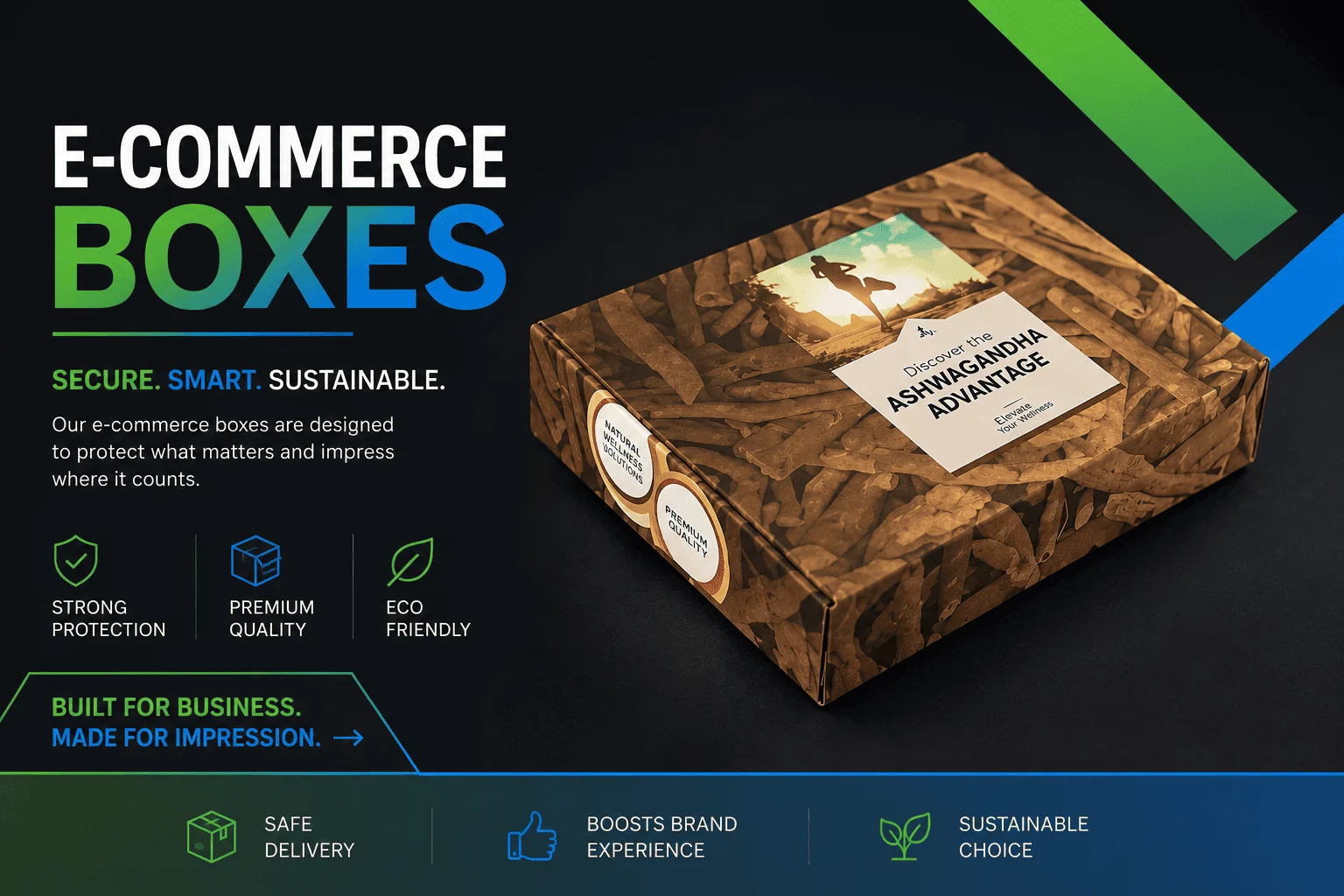
Most UK online retailers treat ecommerce box design as a brand and protection decision. Packaging that presents products attractively and survives courier transit sits at the centre of most packaging briefs, and the legal dimension of how packaging design interacts with statutory consumer rights rarely enters the conversation at all. This creates a category of compliance risk that solicitors and Trading Standards officers encounter regularly but that packaging suppliers almost never raise during the ordering process.
The Consumer Rights Act 2015 and the Consumer Contracts (Information, Cancellation and Additional Charges) Regulations 2013 create specific obligations around how UK consumers can exercise their right to return goods purchased online, and several of these obligations connect directly to packaging design decisions that online retailers make without understanding their legal implications. A fashion retailer whose ecommerce boxes use tamper-evident seals that void on opening may be inadvertently restricting a statutory right their customers hold regardless of what the packaging communicates. A beauty brand whose packaging instructions tell customers that opened products cannot be returned may be creating a misleading impression about rights that consumer law protects independently of any seller policy.
This guide addresses the specific points where ecommerce box design intersects with UK statutory returns obligations, what packaging design decisions create compliance risk, and how online retailers can design packaging that serves their commercial interests without inadvertently misrepresenting consumer rights.
What UK Consumer Returns Law Actually Gives Online Shoppers
Understanding precisely what the Consumer Contracts Regulations provide is the starting point for understanding where packaging design can create compliance problems. Online purchases in the UK give consumers a 14-day cancellation period beginning from the day they receive their goods, during which they can cancel for any reason without providing justification. Following cancellation, consumers have a further 14 days to return the goods. This is a statutory right that exists independently of any retailer’s own returns policy, and retailers cannot contract out of it through packaging instructions, policy statements, or any other mechanism.
The right to cancel applies to most goods purchased online with specific exceptions. Goods made to a consumer’s specification or clearly personalised are exempt. Goods that have been unsealed after delivery and cannot be returned for hygiene or health protection reasons are exempt once unsealed, but this exemption applies only where the retailer established before purchase that it would apply. Goods that have been mixed inseparably with other items after delivery are exempt. Sealed audio or video recordings and computer software are exempt once unsealed.
Every other category of goods sold online carries the full 14-day cancellation right regardless of whether the packaging has been opened, the product has been used reasonably, or the retailer’s own policy states otherwise. Consumers exercising this right are responsible for returning goods at their own cost unless the retailer failed to inform them of this, but they are not responsible for any reduction in value from reasonable handling to inspect the goods, meaning handling comparable to what they might do in a physical retail environment.
This legal framework creates specific pressure points where ecommerce box design decisions interact with statutory obligations in ways that create compliance risk for retailers who don’t understand the connection.
How Tamper-Evident Packaging Creates Statutory Compliance Risk
Tamper-evident ecommerce boxes, including boxes with security tape that displays a void pattern when removed, boxes with heat-sealed closures that cannot be resealed, and boxes with one-time-use locking mechanisms, create compliance risk when their design implies that opening the packaging voids a consumer’s right to return.
The legal position is precise: opening packaging doesn’t void the cancellation right for most goods. A consumer who opens an ecommerce box to inspect its contents, decides they don’t want the product, and attempts to return it within 14 days is exercising a statutory right regardless of the packaging’s condition. A retailer who refuses this return on the grounds that the tamper-evident packaging has been opened is refusing a statutory right, which creates liability under the Consumer Rights Act 2015 regardless of what any packaging instruction or policy document states.
Where tamper-evident packaging creates legitimate protection for retailers is within the specific statutory exemption for goods that cannot be returned for hygiene or health protection reasons once unsealed, but this exemption carries its own compliance requirement: the retailer must have clearly informed the consumer before purchase that the exemption would apply. This prior disclosure requirement means the protection only exists where pre-purchase communication specifically told the consumer that opening the packaging removes their cancellation right.
Ecommerce boxes that carry instructions reading “returns not accepted once seal is broken” without any reference to whether the hygiene exemption applies, or without confirmation that the consumer was informed before purchase, create a misleading impression about statutory rights regardless of whether those instructions are accurate for the specific product category. Trading Standards authorities have the power to take action against retailers who give consumers false information about their rights, and packaging that misrepresents the returns position falls within this enforcement scope.
What Packaging Instructions Cannot Legally State
The Consumer Protection from Unfair Trading Regulations 2008 prohibit misleading consumers about their statutory rights, and packaging instructions that give a false impression of consumer returns entitlements fall within this prohibition regardless of whether the instruction is intentionally misleading or simply results from a brand manager writing policy copy without legal review.
Specific packaging instructions that commonly create compliance problems include statements that returns are not accepted for opened products where no hygiene exemption applies, statements that goods can only be returned in original packaging where this isn’t a condition the retailer can legally impose for statutory returns, statements that the returns period is shorter than the statutory 14-day cancellation window, and statements that returns require proof of fault where the consumer is exercising a cancellation right rather than a faulty goods right.
The original packaging condition creates a specific area of confusion for ecommerce box design. Retailers whose products arrive in branded ecommerce boxes sometimes include instructions requiring that goods be returned in original packaging, believing this is a reasonable condition protecting resale value. For retailer-specific returns policies operating above and beyond statutory obligations, this condition may be permissible. For statutory cancellation rights, a consumer cannot be required to return goods in original packaging as a condition of exercising their statutory right, though they remain responsible for any diminution in value from damage beyond reasonable handling. An ecommerce box instruction that implies original packaging is required for all returns, without distinguishing between statutory and policy-based returns, creates a misleading impression about statutory rights.
Returns windows stated on packaging create compliance risk where they imply a shorter returns period than the statutory minimum. An ecommerce box printed with a 28-day returns window creates no compliance problem since it extends beyond the statutory minimum. An ecommerce box printed with a 30-day returns window that also states returns must be initiated within 7 days of delivery creates confusion about which applies and whether the statutory 14-day cancellation window is being misrepresented.
How Ecommerce Box Design Can Work With Returns Obligations Rather Than Against Them
The compliance risks created by packaging design decisions that inadvertently misrepresent consumer returns rights are largely avoidable through straightforward design choices that serve both legal compliance and commercial interest simultaneously.
Packaging instruction copy that references statutory rights explicitly rather than implying policy-based limitations creates a legally compliant foundation that serves the retailer’s commercial interest in managing returns professionally. Instructions that tell consumers about their 14-day statutory cancellation right, direct them to the retailer’s website for returns guidance, and avoid any implication that packaging condition affects this right create compliant packaging copy that also communicates professionalism rather than the confrontational tone that restrictions-focused packaging instructions often convey.
Designing ecommerce boxes to facilitate reasonable inspection without destruction creates a practical alignment between packaging design and consumer rights. The statutory right to handle goods as one would in a physical shop implies that ecommerce packaging should allow the kind of inspection a physical retail environment permits. Packaging that requires destruction to access the product for inspection creates a tension with this principle that well-designed ecommerce boxes resolve through recloseable construction, inspection windows, or opening mechanisms that allow product examination without permanently compromising packaging integrity.
Where the hygiene exemption genuinely applies to specific products, building the prior disclosure requirement into the purchase journey rather than relying on packaging instructions to communicate it ensures the exemption is properly established before the consumer makes their purchase decision. Packaging that reinforces this prior disclosure by clearly identifying products as exempt under specific conditions, with reference to the disclosure made at purchase, completes the compliance chain rather than attempting to establish exemption rights at the packaging stage where the consumer has already completed their purchase.
Distinguishing visually and textually between statutory returns rights and retailer returns policy on ecommerce packaging inserts prevents the confusion that arises when consumers can’t tell whether a packaging instruction reflects their legal position or a commercial policy the retailer is choosing to apply. Inserts that clearly separate these two things, explaining statutory rights accurately and then explaining the retailer’s own additional policy provisions separately, serve consumers better and expose retailers to less compliance risk than combined policy statements that blend the two without distinction.
What the Distance Selling Framework Requires From Packaging Documentation
The Consumer Contracts Regulations impose specific information requirements on distance sellers that extend into what documentation accompanies goods delivered to consumers, and ecommerce boxes that fail to include required information or include it in a form that doesn’t meet regulatory requirements create compliance gaps that affect both statutory rights and the practical operation of the cancellation and returns process.
The model cancellation form, a standardised document whose form is prescribed in Schedule 3 of the Consumer Contracts Regulations, must be provided to consumers purchasing goods online. Retailers have discretion about how this is provided, including through website pages, email confirmations, and physical documentation included with the goods, but it must be provided in a durable medium that the consumer can retain. Including a physical model cancellation form or clear reference to where one can be accessed in the ecommerce box documentation package satisfies this requirement and creates a physical record that the requirement was met.
Returns address information included with delivered goods prevents the practical barrier to exercising statutory rights that consumers encounter when they cannot identify where to send returned goods. An ecommerce box insert that provides a clear returns address alongside the statutory cancellation period and any return postage information the regulations require satisfies the information obligation while reducing the friction that practical uncertainty about returns processes creates for consumers considering whether to exercise their rights.
Confirmation of the cancellation right duration, stated accurately as 14 days from receipt of goods for distance sales of goods, must be communicated in a way the consumer can retain. Ecommerce box inserts are a natural vehicle for this information, and including it creates a compliant delivery of required information rather than relying entirely on pre-purchase digital communications that consumers may not retain or locate when they want to exercise a return.
How Returns Packaging Design Affects Practical Returns Management
Beyond the statutory compliance dimension, ecommerce box design decisions affect the practical efficiency of the returns process in ways that have direct commercial implications for UK online retailers whose returns rates reflect both consumer rights exercise and product dissatisfaction.
Ecommerce boxes designed to survive a return journey without additional packaging reduce the barrier to consumers returning goods and simultaneously protect product condition during the return, which affects resale value for goods that can be returned to stock. A box whose structural integrity survives opening, inspection, reloading, and resealing creates a returns pathway that costs less per return to process than goods arriving back in improvised packaging that damaged the product in transit. Returns that arrive in inadequate packaging represent a cost the retailer absorbs either through disposal or discounted resale, while returns arriving in intact original packaging represent inventory that can return to stock at full value.
Prepaid returns labels included in ecommerce boxes, or QR codes providing access to them, affect both the consumer’s practical ability to exercise their statutory right and the retailer’s operational management of the returns process. Where a retailer has not informed the consumer before purchase that they are responsible for return postage costs, the retailer bears those costs, and a prepaid label fulfils this obligation practically while controlling the returns carrier and service level. Where the consumer is responsible for return costs and has been informed of this, including guidance about appropriate returns packaging and carrier options in the ecommerce box documentation reduces the practical friction that causes consumers to return goods in inadequate packaging.
Returns tracking integration, where ecommerce box documentation provides a returns reference that connects the physical return to the online order record automatically, reduces the manual reconciliation work that unidentified returns create in operations managing significant returns volumes. UK online retailers processing hundreds of returns monthly find that documentation design within ecommerce boxes materially affects operational efficiency at the returns processing point, with clearly identified returns reducing processing time per unit by 40 to 60 percent compared to returns arriving without order identification.
What UK Online Retailers Should Review Before Their Next Packaging Order
The compliance dimension of ecommerce box design sits at the intersection of packaging brief development and legal review, and both need to be present for the review to be meaningful. A packaging brief reviewed only by a brand manager produces packaging that reflects brand priorities without legal compliance assessment. A legal review conducted without packaging design expertise produces advice that identifies risks without providing practical design guidance about how to address them.
Reviewing all text appearing on ecommerce boxes and accompanying inserts against the specific prohibitions in the Consumer Protection from Unfair Trading Regulations before finalising artwork represents the minimum compliance check appropriate for any UK online retailer. This review should specifically assess whether any instruction, statement, or implication could give a consumer a false impression about their statutory cancellation rights, their obligation to return goods in original packaging, the duration of their cancellation period, or the conditions under which the hygiene exemption applies.
Engaging a solicitor with consumer law experience to review ecommerce box and insert copy as part of the packaging development process rather than as a retrospective check after production adds modest cost to the development cycle but prevents the considerably higher cost of Trading Standards investigation, required packaging reprints, and potential civil liability from consumers who exercised rights the packaging misrepresented. Retailers who have operated for years without this review often discover during the process that longstanding packaging instructions contain statements that create compliance risk they were unaware of.
Aly Packaging UK produces ecommerce boxes with inserts and documentation panels designed around the retailer’s specific requirements, including space for statutory returns information, model cancellation form references, and returns address panels integrated into packaging design rather than added as afterthoughts. Contact our UK team at sales@alypackaging.com or call 1-844-259-7225 to discuss ecommerce box specifications that serve both your brand presentation and your statutory compliance requirements.